

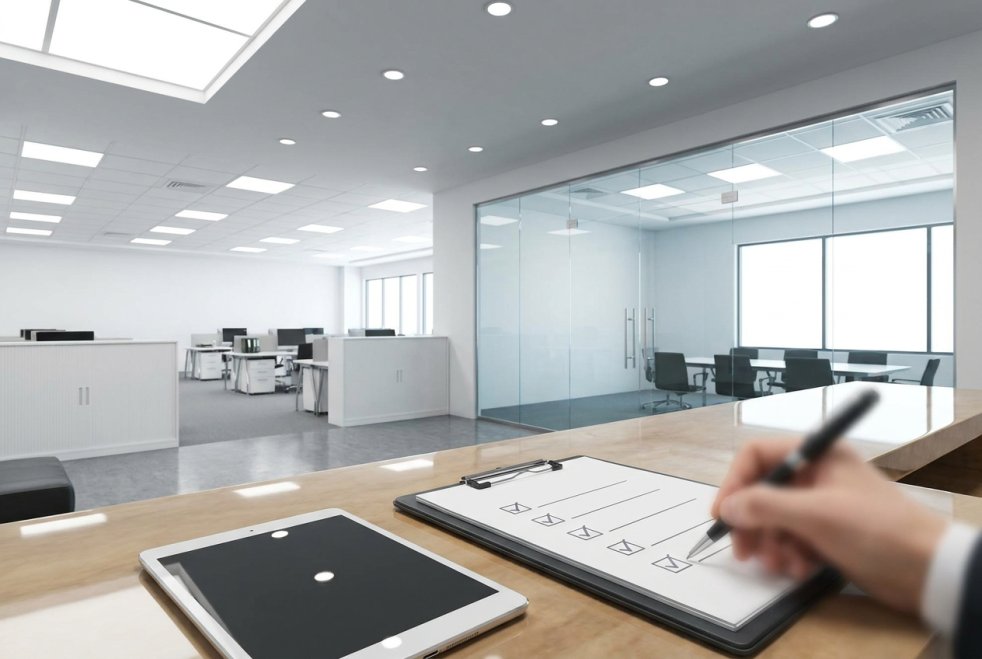
What Facility Managers Look for During Site Audits
Site audits make facility managers uncomfortable for a reason. They expose gaps that have been quietly accumulating for weeks or months, and by the time an audit puts them on paper, the cost to correct them is already higher than it needed to be.
If you manage a commercial property in Seattle, understanding what auditors look for gives you a real advantage. It lets you address problems before they become findings, and it gives you a clear framework for evaluating whether your current cleaning program is actually doing its job.
Why Site Audits Matter More in Seattle
Seattle's climate adds a layer of complexity that facility managers in drier cities do not face. With more than 150 rainy days per year and persistent moisture from October through May, commercial buildings here accumulate problems faster than a standard inspection cycle can catch.
Mold, floor finish deterioration, and slip hazards are not seasonal concerns in Seattle. They are year-round risks that auditors know to look for specifically in Pacific Northwest facilities.
Entryways and High-Traffic Flooring
The first thing most facility auditors check is the condition of entryways and main corridors. These areas take the heaviest traffic and show neglect faster than anywhere else in the building.
- Floor finish that is dull, scuffed, or worn through in traffic lanes signals that interim maintenance has been skipped
- Wet or damp entry mats that have not been serviced create both slip hazards and odor problems
- Moisture staining or grit tracked in from outside and left on hard floors acts as an abrasive that shortens finish life significantly
- Transition strips, thresholds, and floor edges that show buildup or damage are noted as deferred maintenance items
In Seattle, entryways need more frequent attention than a standard once-per-week schedule provides. Rain season makes these zones a daily concern.
Restrooms and Moisture-Prone Spaces
Restrooms are the most scrutinized area in any commercial site audit. Auditors look beyond surface appearance and check for conditions that indicate the cleaning program is not keeping pace with actual use.
- Grout lines that have darkened or show visible mold growth, particularly around toilets, sinks, and floor drains
- Caulking that has separated, discolored, or developed mold behind the seal
- Odors that return within hours of a cleaning visit, which typically indicate a product or frequency problem rather than a one-time miss
- Supply shortages, including empty soap dispensers or paper towel holders, that suggest service visits are not thorough
- High-touch surfaces such as door handles, flush valves, and faucet handles that carry visible residue or buildup
Seattle's mild, damp climate means mold in restrooms can develop year-round. Auditors familiar with Pacific Northwest facilities will look for it in corners, on walls near windows, and along any grout line that stays wet between cleanings.
Common Areas, Break Rooms, and Shared Surfaces
Auditors pay close attention to shared spaces because they reflect the day-to-day standard of the cleaning program more honestly than any single room.
- Dust accumulation on vents, ceiling tiles, baseboards, and light fixtures indicates that the cleaning scope does not include detail work
- Residue on countertops, appliances, and sink areas in break rooms signals that surface sanitation is being rushed or skipped
- Trash receptacles that show buildup inside the liner or around the base suggest emptying is happening without the cleaning that should accompany it
- Windows and glass partitions with streaks or smudges are minor individually but add up to an overall impression of low standards
Documentation and Service Verification
Beyond the physical condition of the building, experienced facility auditors check whether the cleaning program is documented and verifiable. This is an area where many facilities fall short.
- Cleaning logs or digital check-in records that confirm visits occurred on schedule
- Scope-of-work documentation that defines what is covered during each visit and at what frequency
- Records of periodic deep cleaning, floor care cycles, and any corrective actions taken after prior inspections
- Evidence that the cleaning provider has been responsive to complaints or special requests
A cleaning program without documentation is difficult to defend during an audit, regardless of how well the facility looks on a given day.
What Seattle Facility Managers Should Do Before the Next Audit
System4 of Washington provides commercial cleaning services to facilities throughout the Seattle area, with programs structured around the documentation standards, service frequency, and regional conditions that auditors here expect to see.
- Walk your entryways, restrooms, and break rooms with fresh eyes and note anything that has become normalized rather than corrected
- Ask your current cleaning provider whether service visits are logged and whether a scope-of-work document exists for your facility
- Check grout lines, caulking, and any moisture-prone surfaces for early signs of mold before an auditor finds them first
- Review whether your cleaning frequency matches Seattle's wet season demands, especially for entryways and restrooms
Call (253) 215-8899 today to schedule a facility walkthrough and find out how a structured commercial cleaning program from System4 of Washington can help your building perform at the standard every site audit expects.


